With energy costs continuing to rise, homeowners across North and South Carolina are looking for practical ways to improve comfort while reducing the demands on heating and cooling systems. While upgrading appliances and improving insulation can certainly help, windows can be a significant source of heat gain and heat loss within the home.
In the Carolinas—where strong summer sun, humidity and changing seasonal temperatures are common—the right window treatments can make a noticeable difference. Insulating materials, solar protection and strategic shade operation can all help reduce heat transfer at the window and create a more comfortable interior.
At A Shade Above, we help homeowners select custom window treatments that improve energy efficiency without sacrificing style. From insulating honeycomb shades and custom shutters to exterior shades and layered drapery, today’s energy-efficient window coverings offer solutions for virtually every style of home.
How Do Window Treatments Improve Energy Efficiency?
Large windows and expansive glass doors are beautiful architectural features, but glass can make maintaining comfortable indoor temperatures more challenging. During warmer months, direct sunlight contributes to solar heat gain and can make cooling systems work harder. During cooler weather, heat can be lost through windows to the outdoors.
Energy-efficient window treatments can help by:
- Reducing solar heat gain from direct sunlight
- Adding insulation at the window
- Reducing uncomfortable temperature fluctuations near glass
- Providing adjustable coverage as sunlight and temperatures change
The best solution depends on the window itself, its exposure to sunlight and how you use the room. For some homes, an insulating cellular shade is the priority. For others, shutters, exterior solar protection or multiple layers of window treatments may provide the right combination of comfort, light control and style.
Cellular Shades for Window Insulation
Cellular shades—also known as honeycomb shades—are one of the strongest choices when insulation at the window is a priority. Pleated fabrics form a series of cellular air pockets that trap air between the room and the glass, helping slow heat transfer through the window.
Hunter Douglas Duette® Honeycomb Shades offer this insulating cellular construction along with extensive choices for fabrics, opacity levels and operating systems. For enhanced insulation, Duette® Architella® features a honeycomb-within-a-honeycomb construction that creates additional insulating air pockets.
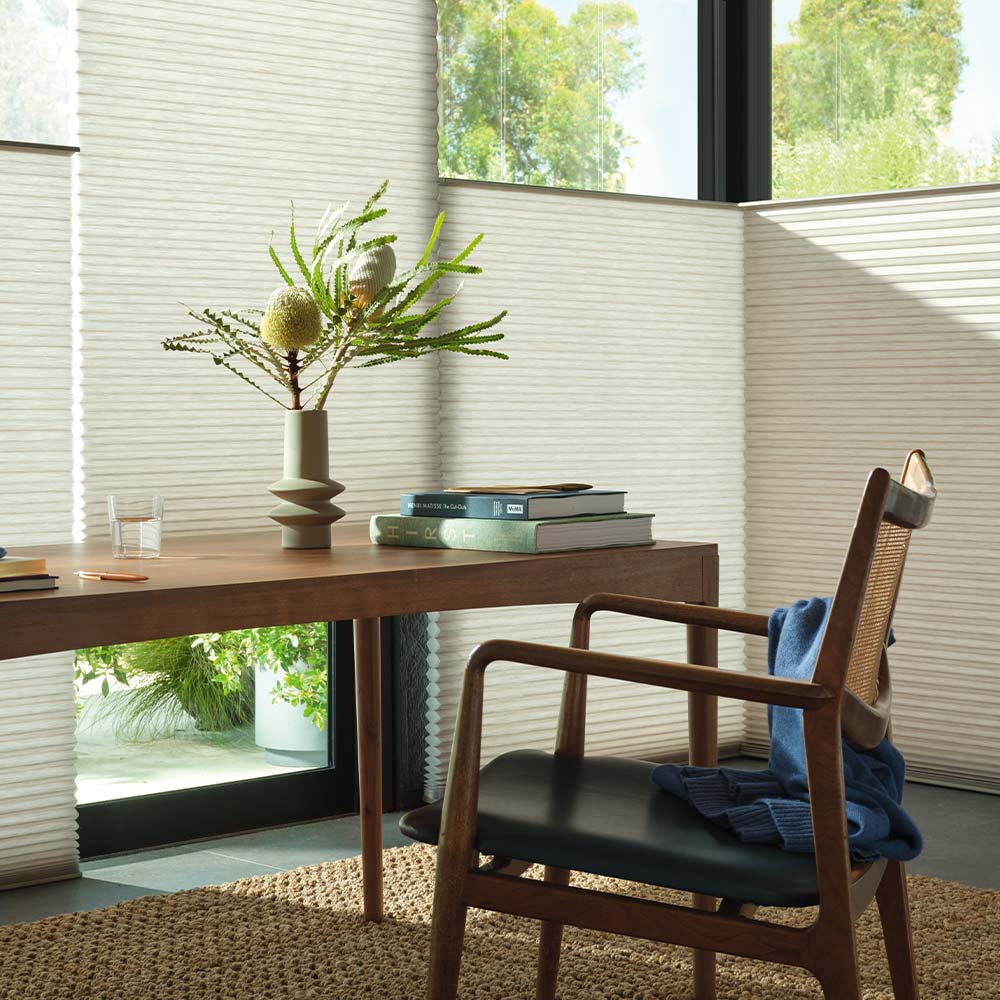
Cellular shades are also highly versatile. Depending on the collection and configuration, they can be customized for standard windows, specialty shapes, skylights, large expanses of glass and sliding doors. Vertiglide™ extends cellular construction vertically for wide openings and sliding glass doors.
Cellular and honeycomb are simply two terms used for this type of insulating shade. If you’d like to understand the terminology in more detail, see our guide to the difference between cellular and honeycomb shades.
Are Plantation Shutters Energy Efficient?
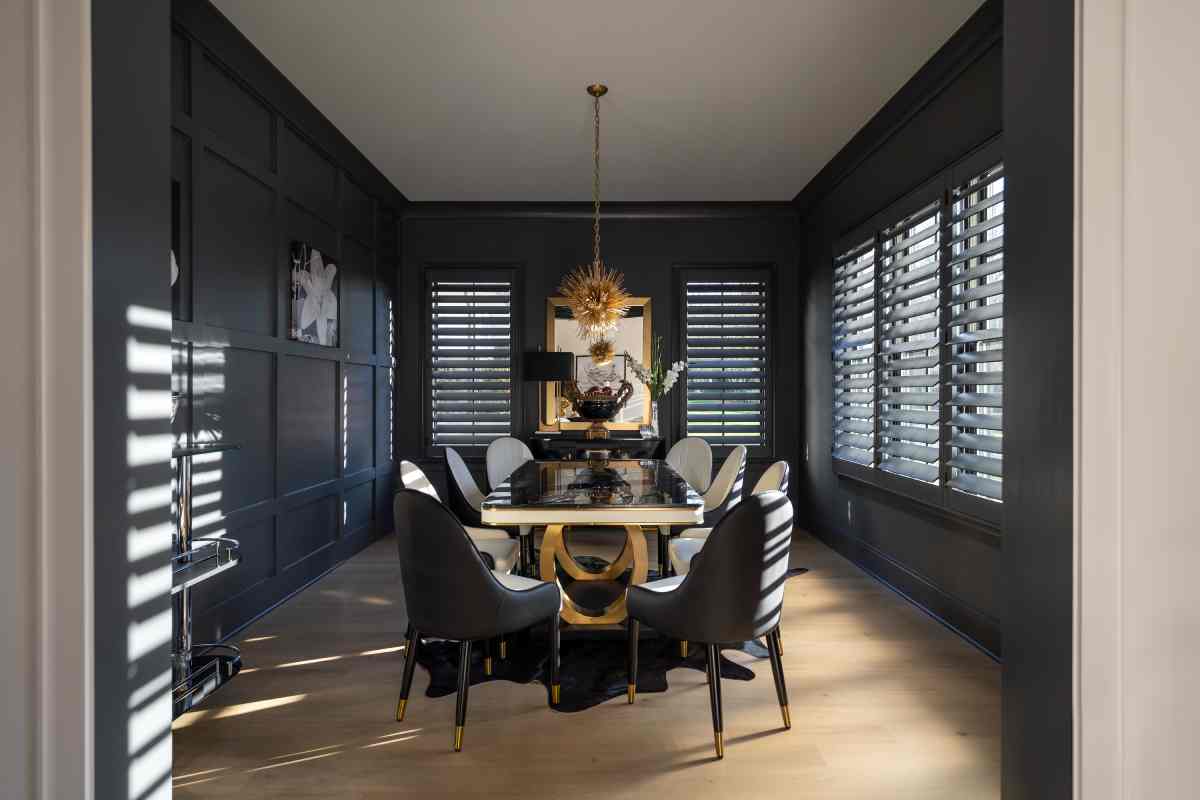
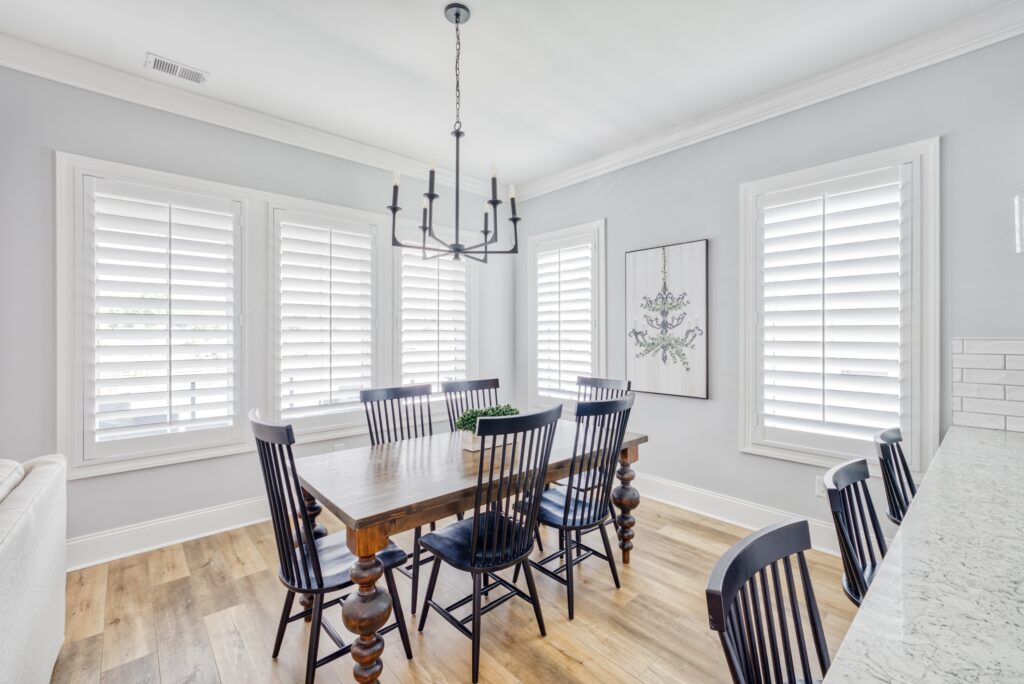
Plantation shutters are another excellent option for homeowners looking for lasting window coverage, light control and improved comfort. Their substantial construction creates an additional barrier at the window, while adjustable louvers let you manage direct sunlight without necessarily giving up all of your natural light.
At A Shade Above, our custom shutters are manufactured in North Carolina and built to fit each window precisely. Homeowners can choose between natural hardwood and durable poly materials depending on the room, style and performance needs.
Custom Wood Shutters
Wood plantation shutters from Artisan Shutters combine timeless style with substantial construction at the window. Furniture-grade kiln-dried basswood, custom sizing and durable finishes create a long-lasting window treatment that can help reduce temperature fluctuations near the glass.
- Furniture-grade kiln-dried basswood
- Durable multi-coat finishes
- Custom sizing for a precise fit
- Adjustable louvers for sunlight and privacy control
Custom Poly Shutters
For spaces exposed to moisture and humidity, polyurethane shutters provide a durable alternative to hardwood. Their moisture-resistant construction makes them particularly well suited to kitchens, bathrooms, laundry rooms and coastal Carolina homes.
Poly shutters resist warping, rotting and moisture damage while providing substantial coverage at the window for year-round comfort.
Layer Window Treatments for Added Insulation
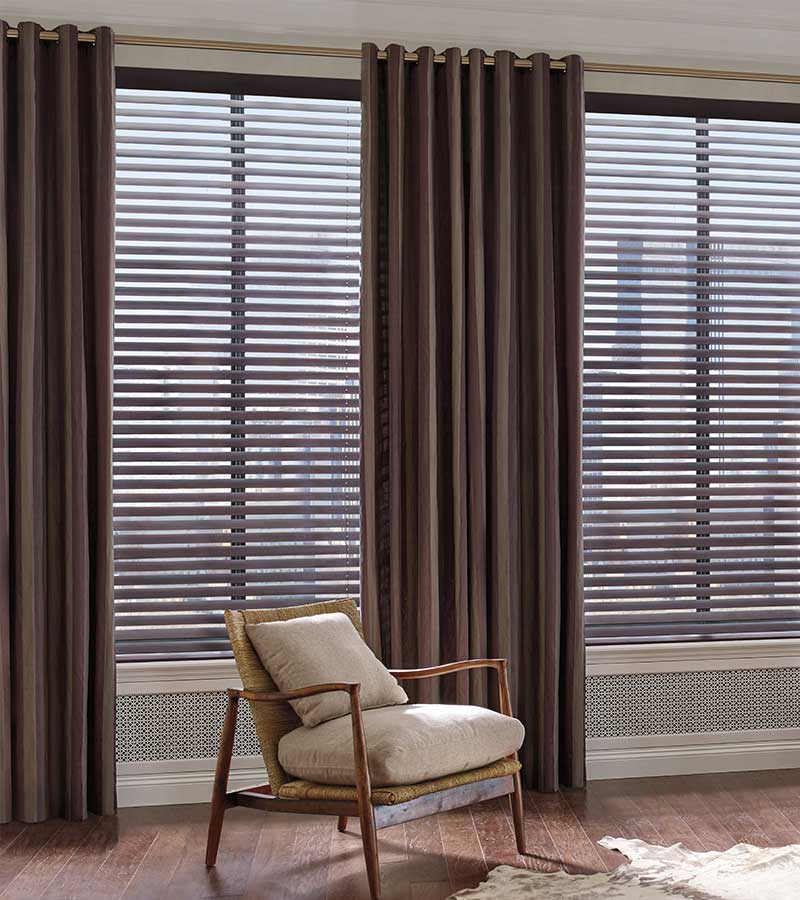
Layering window treatments can provide another way to improve comfort while creating a more finished interior. A functional shade handles everyday sunlight and privacy, while drapery adds another layer of fabric around the window.
Pairing roller, cellular or Roman shades with custom drapery can help:
- Provide additional coverage around the window
- Improve control of sunlight and glare
- Add another layer between the room and glass
- Create a softer, more dimensional finished design
Layering can be particularly useful on large windows, floor-to-ceiling glass and rooms that receive intense afternoon sunlight.
Exterior Shades Stop Solar Heat Before It Reaches the Glass
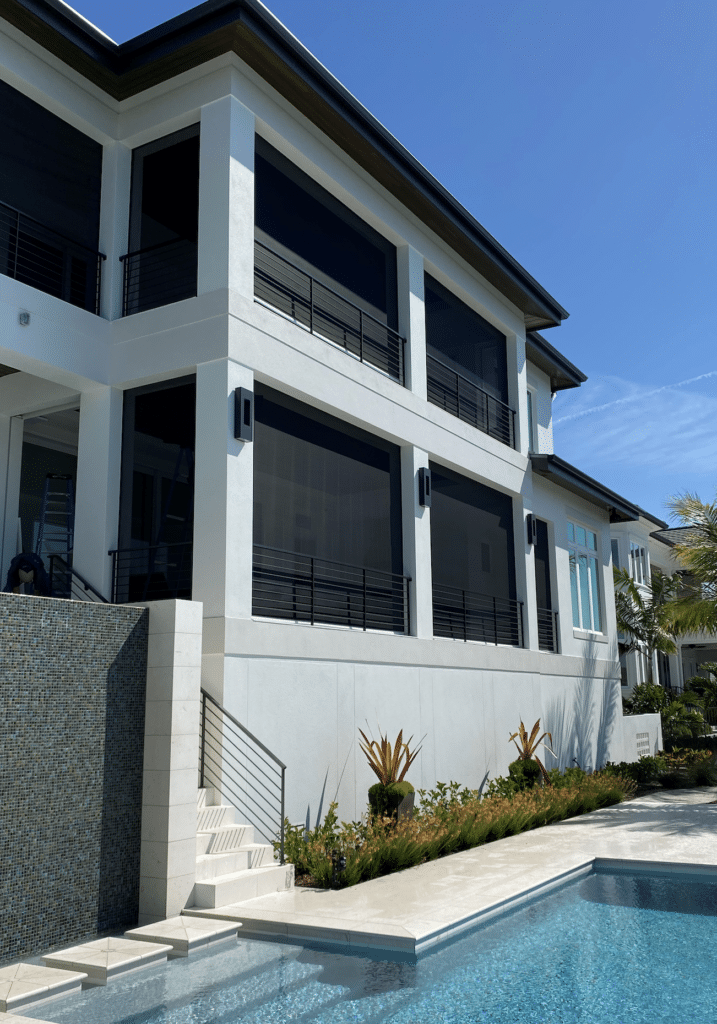
For windows and outdoor living areas exposed to intense sunlight, exterior shading takes a different approach to energy efficiency: it helps manage solar heat before it reaches the interior side of the window.
Exterior shades can provide protection from direct sun and glare while making patios, porches and other outdoor spaces more comfortable. They’re particularly worth considering for Carolina homes with strong western or southern exposures or expansive areas of glass.
The right exterior fabric and system depend on the location, desired view-through and amount of solar protection needed.
Can Motorized Shades Help with Energy Efficiency?
Even the most effective window treatment can only manage sunlight when it’s positioned correctly. Motorization makes it easier to adjust shades consistently as conditions change throughout the day.
With PowerView® Automation, compatible Hunter Douglas shades can be scheduled to move at selected times. For example, west-facing shades can lower before intense afternoon sunlight reaches the windows and reopen later when direct sun is no longer an issue.
Automated schedules can be particularly useful for:
- Tall or hard-to-reach windows
- Large window walls
- Rooms with predictable periods of direct sunlight
- Multiple shades that you want to operate together
Motorization doesn’t make the shade itself more insulating, but it can help homeowners use their window treatments more consistently for solar heat management and everyday comfort.
Energy-Efficient Window Treatments for Large Windows & Doors
Large expanses of glass are common in modern Carolina homes, but the greater surface area can make sunlight and heat transfer particularly noticeable. The best window treatment depends on the dimensions of the opening, sun exposure, room use and how frequently you need access through a door.
For oversized windows and sliding glass doors, options can include:
- Honeycomb shades for insulating cellular coverage
- Vertiglide™ vertical cellular shades for wide openings and patio doors
- Layered drapery for additional fabric coverage
- Roller shades for streamlined solar control
- Plantation shutters for substantial, long-lasting coverage
For more ideas, explore our guide to window treatments for large windows.
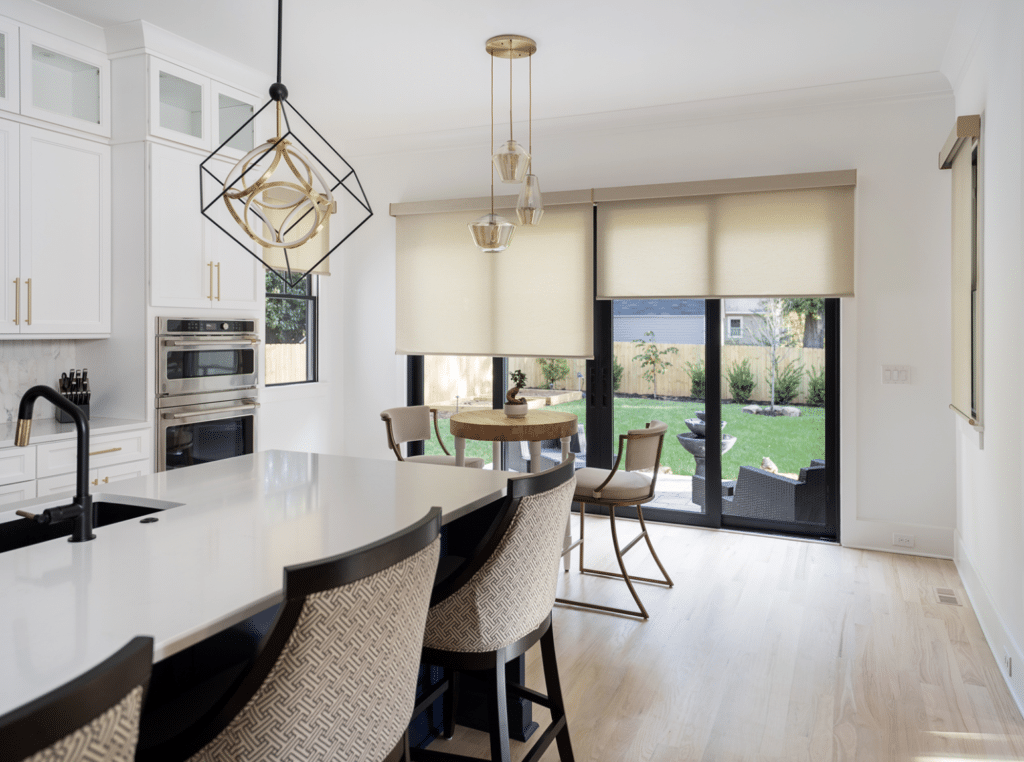
How to Get More Energy Efficiency from Your Window Treatments
The product you choose matters, but so does how you use it. A few simple strategies can help you get more from your window coverings throughout the year:
- Close shades before intense afternoon sun reaches the glass. This can help reduce solar heat gain during warmer months.
- Use winter sunlight strategically. Opening treatments when direct sunlight can provide beneficial warmth and closing them when temperatures fall can help manage comfort.
- Automate predictable shade movements. Scheduled operation makes it easier to manage windows consistently, even when you’re away from home.
- Consider layering treatments. Combining shades with drapery provides additional coverage while expanding your options for light and privacy control.
- Choose products based on the window. Orientation, window dimensions, mounting conditions and direct sun exposure can all influence which treatment performs best.
Choosing Energy-Efficient Window Treatments for Carolina Homes
Homes throughout North and South Carolina experience everything from strong summer sun and humid coastal conditions to cooler winter nights. There’s no single window treatment that’s best for every window, which is why the most effective approach considers both the home and the way each room is used.
Honeycomb shades offer exceptional cellular insulation. Custom shutters provide substantial coverage and adjustable sunlight control. Exterior shades help manage intense solar exposure before it reaches the interior, while layered treatments and automation can further improve everyday comfort.
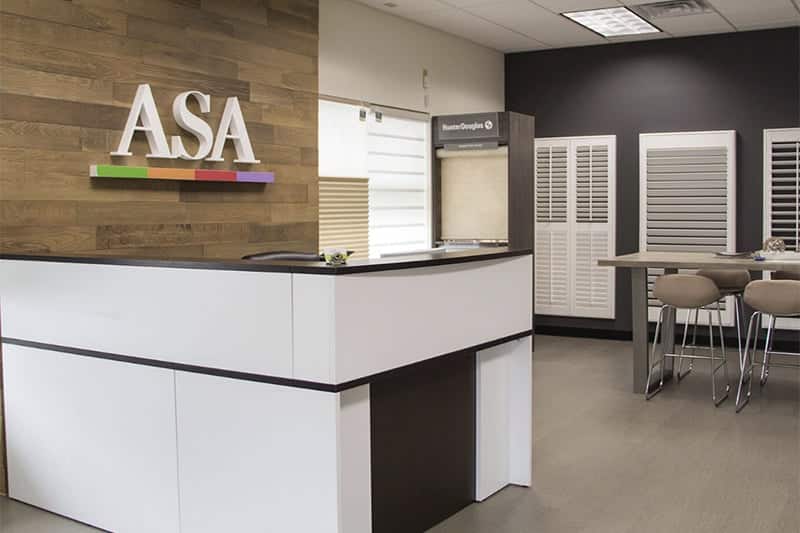
At A Shade Above, we help homeowners throughout the Carolinas find custom window treatments for greater year-round comfort. Visit one of our showroom locations or schedule an in-home consultation to compare energy-efficient shades, shutters, drapery and exterior shading solutions for your home.